Made for More Part 3 (Celebration Preview

Believe
Read John 11:1-44
Reflections
Why do we have funerals? If you ask someone, you will typically get an answer like, “so the family can have closure.” The grief begins at the realization that death has arrived and will last months or years past the death. But there is something about the funeral, when the body is seen for the last time and laid to rest, that helps people begin to come to terms with their loss. Funerals normally take place a few days or longer after the death. Denial is a recognized stage of grief, and there seems to be a period of time that has to pass for many people before they are ready to begin to accept that the person is not coming back.
This was no different in the ancient world. In fact, in a world where they didn’t understand much about medicine, that denial led to a tiny sliver of hope that maybe something might change and the person might suddenly gasp for breath and recover. But that hope didn’t last long. The writings of rabbis in the centuries just after Jesus preserved what appears to be an earlier tradition about this belief.
Bar Kappara taught: The most intense time of mourning is only on the third day. For three days, the soul is hovering over its grave, believing that it will return [to the body]. When it sees that the radiance of the face has changed, it goes and leaves it. -Genesis Rabbah 100:7
They believed the soul hovered nearby for a few days, maybe for a chance at recovery, or maybe so that it could hear the cries of grieving loved ones. Either way, after the third day, the soul was gone, and the funeral was over. There was no more hope of recovery or that the deceased might still hear you. They believed this because by the fourth day, everyone could see a visible change in the body. By the late third to early fourth day, the skin begins to bloat and blister, a pale green color starts in the abdomen and spreads over the body, and an unbearable stench arises. It doesn’t take a modern medical examiner to know that this person isn’t coming back.
And this is the moment in which Jesus arrives at Lazarus’ tomb. The funeral is over, the body is buried, and everyone is finally accepting that he is gone. It’s over. Which is why Martha says, “If you HAD BEEN HERE, my brother would not have died.” A few verses later, Mary sees Jesus and says the exact same words. Is this a coincidence, or is it fair to assume that it is because they had been complaining to each other about Jesus not being there for several days?
Mary & Martha believe in Jesus, but their belief is limited by their experience of how death works. What limits your belief?
Jesus replies that their brother will rise again, and that he who believes in him (Jesus) will never die. Then he asks Martha, “Do you believe this?”
She answers yes; she does believe, but when Jesus asks to open the tomb, she still cries out in protest. Jesus can’t open the tomb; doesn’t he understand it’s been four days, the body will be bloated and the stench unbearable, her brother’s spirit will be gone; there is nothing that Jesus can do about it. Her belief just isn’t that big.
Is Jesus’ power limited to only what we believe he can do? How do we believe beyond what we think we know?
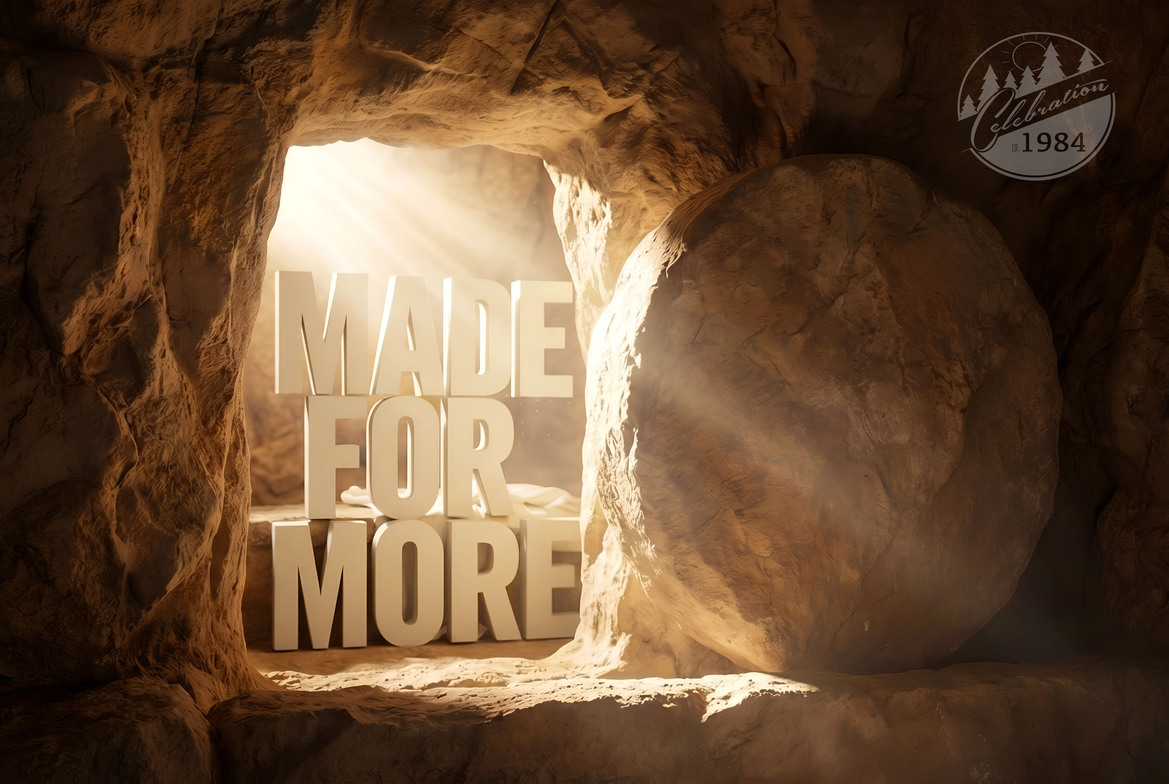
The stone is rolled away, and Lazarus comes out. And in Jesus’ prayer, he tells us why, so that we may “..believe that you (God) sent me (Jesus).”
Actions
What does it mean to live like you are made for more than the grave?
Pick one thing from this list to do today.
- Text a friend that you have hope for eternity because of Christ.
- Set a reminder to read this story from John 11 every day this week.
- Set a reminder to thank God for your hope beyond the grave every day this week.
- Identify the limits of your faith. What do you struggle to believe Jesus can do? Talk to God openly about it.
- Find a peer and share with them your doubts, struggles, and limits of belief.
- Find a trusted adult to open up to about your questions and/or doubts.
- Take a few quiet minutes to journal about your feelings, fears, and pain.
- Choose faith. Find a place you can be alone and loudly proclaim that God rules the universe, Christ has defeated death, Jesus blood forgives, you belong to Jesus, and that you have hope for eternity.